You eat a mint candy after coffee. Your breath feels cleaner. Your mouth feels cooler. You feel more ready to talk.
But then the real question hits.
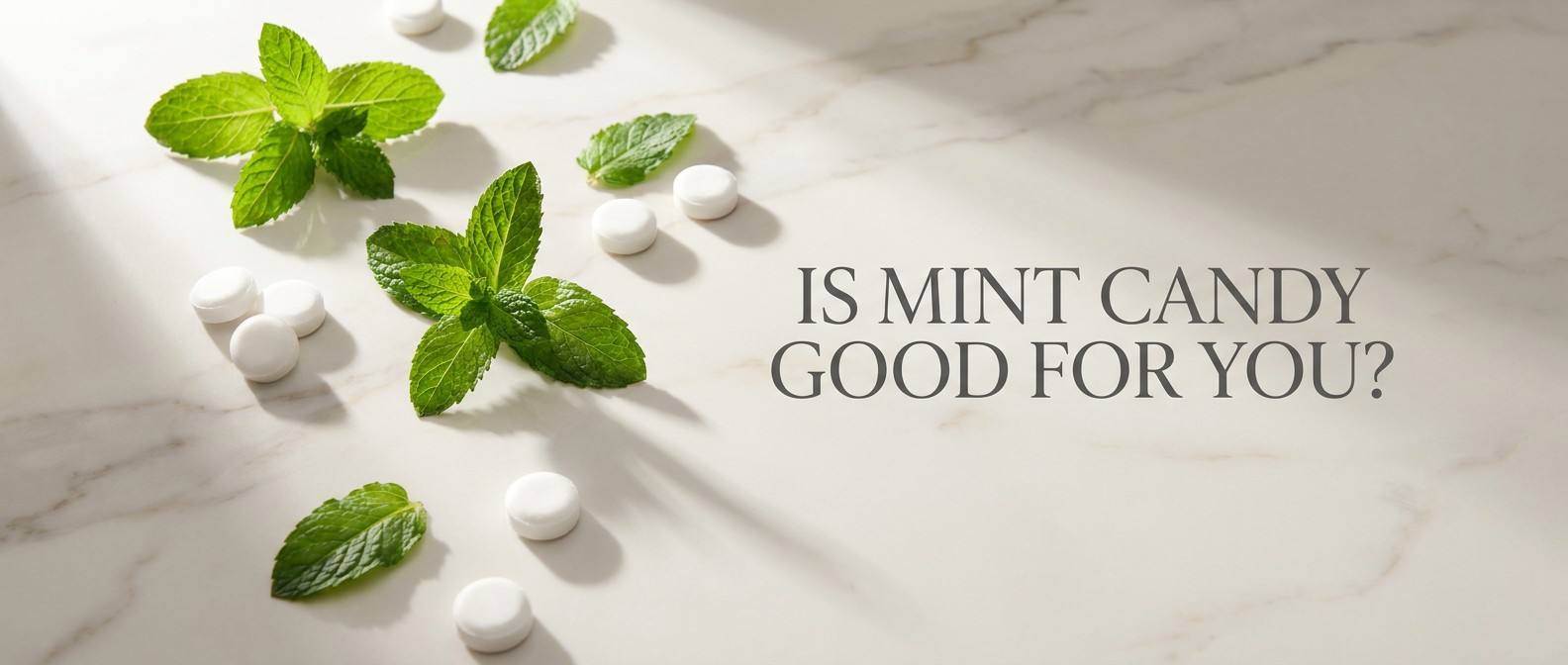
Is mint candy actually good for you, or is it just sugar with a fresh mint mask?
I understand that question well. I’m Suifa, and I work with mint candy through flavor, texture, ingredients, and copywriting. My answer is honest.
Mint candy can be useful for fresh breath and a quick clean-mouth feeling. But most mint candy is still candy. It should be enjoyed in moderation, not treated like a health food.
The best choice depends on the ingredients, sugar level, sweetener type, and how often you eat it.
──────────────────────────────────────────────────
Quick Answer: Is Mint Candy Good for You?
Mint candy can be good for short-term breath freshness, but it is not a complete health product.
A mint can help when your mouth feels stale. It can make breath smell better for a short time. It can also encourage saliva flow when you suck on it.
But many mint candies contain sugar, corn syrup, or sweeteners.
That matters.
The American Dental Association explains that cavities form when bacteria in the mouth use sugar and create acids that attack teeth.
So my expert view is simple.
Use mint candy as a small refreshment. Do not use it as a replacement for brushing, flossing, water, or dental care.
──────────────────────────────────────────────────
Key Takeaways
- Mint candy is best for quick breath freshness.
- Sugary mint candy may increase tooth concerns if eaten often.
- Sugar-free mint candy may be better for sugar control, but too much can upset the stomach.
- Peppermint flavor may feel soothing, but ordinary mint candy is not medicine.
- The healthiest mint candy habit is small, occasional, and label-aware.

What Is Mint Candy Made Of?
Most mint candy has a short ingredient base.
Classic hard mints often contain:
- Sugar
- Corn syrup
- Peppermint oil or mint flavor
- Coloring
- Binding or texture ingredients
Sugar-free mints often contain:
- Xylitol
- Sorbitol
- Maltitol
- Isomalt
- Natural or artificial mint flavor
I always tell people to read the label.
The FDA has a helpful guide on understanding nutrition labels here: FDA: How to Understand and Use the Nutrition Facts Label.
The label tells you whether your mint is mainly a sugar candy, a sugar-free candy, or a breath-freshening product with specific sweeteners.
──────────────────────────────────────────────────
Table 1: Common Mint Candy Types Compared
| Mint Candy Type | Common Ingredients | Main Benefit | Main Caution |
| Sugary hard mint | Sugar, corn syrup, peppermint flavor | Fast breath freshness | Frequent use may expose teeth to sugar often |
| Sugar-free mint | Xylitol, sorbitol, maltitol, mint flavor | Fresh breath with less or no sugar | Too much may cause stomach discomfort |
| Peppermint oil mint | Sugar or sweetener, peppermint oil | Stronger mint aroma and cooling feel | May feel too strong for sensitive people |
| Breath mint tablet | Sweeteners, flavoring, anti-caking agents | Convenient and portable | May still contain sugar or acids |

Does Mint Candy Freshen Breath?
Yes, mint candy can freshen breath quickly.
This is one of its best uses.
Mint has a strong aroma. It creates a cool sensation. It can cover coffee breath, food odor, and stale mouth smell.
But I want to be clear.
Mint candy mostly masks bad breath. It does not always fix the cause.
Bad breath can come from many things, including:
- Dry mouth
- Food
- Poor brushing habits
- Gum issues
- Smoking
- Some health conditions
MedlinePlus explains common causes of bad breath here: MedlinePlus: Bad Breath.
So I see mint candy as a quick social tool.
It helps before a meeting. It helps after lunch. It helps after coffee.
But if bad breath is constant, I would look deeper.

Is Mint Candy Good for Dry Mouth?
Mint candy may help a dry mouth feel better for a short time.
When you suck on a mint, your mouth may produce more saliva. That can make your mouth feel less dry.
This is why many people keep mints in:
- Their bag
- Their car
- Their desk
- Their travel pouch
I understand the habit.
A dry mouth feels uncomfortable. A mint feels like a simple rescue.
But there is a difference between occasional help and constant use.
If you use sugary mints all day for dry mouth, your teeth may be exposed to sugar again and again.
For frequent dry-mouth use, I would usually look at sugar-free options first.
Some sugar-free mints contain xylitol. Xylitol is often used in oral-care products.
Still, I would not overuse sugar-free mints either.
Some sweeteners can cause digestive discomfort when eaten in large amounts.
──────────────────────────────────────────────────
Is Peppermint in Mint Candy Good for Digestion?
Peppermint has a long history.
Many people connect peppermint with a calm stomach and a clean after-meal feeling.
The National Center for Complementary and Integrative Health has information about peppermint oil here: NCCIH: Peppermint Oil.
But I need to be careful as a mint candy expert.
Peppermint candy is not the same as peppermint oil capsules, peppermint tea, or a medical peppermint product.
A candy may contain a tiny amount of peppermint oil. Or it may contain only mint flavor.
So I would not say mint candy treats digestion.
That would be too strong.
What I can say is this:
A mint candy after a meal may make your mouth feel cleaner and your senses feel refreshed.
That is its real strength.
It gives a cool finish. It makes the mouth feel lighter. It can make the end of a meal feel more complete.
Is Sugary Mint Candy Bad for Your Teeth?
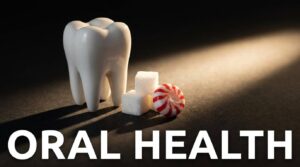
Sugary mint candy can be bad for teeth if you eat it too often.
This is one of the biggest issues.
Hard mints stay in the mouth for several minutes. That means sugar sits around the teeth longer.
If you eat one mint occasionally, that is one thing.
If you eat mints all afternoon, that is different.
Frequency matters more than people realize.
Every time sugar enters the mouth, bacteria can use it. That process may lead to acid production. Over time, acid can contribute to tooth decay.
That is why I never describe sugary mint candy as harmless.
It is pleasant. It is useful. It is refreshing. But it is still candy.
My practical advice is:
- Do not suck sugary mints all day.
- Drink water after sweets when possible.
- Keep brushing and flossing as your real oral-care base.
- Choose sugar-free mints if you use them often.

Is Sugar-Free Mint Candy Better?
Sugar-free mint candy can be a better choice if you want less sugar.
This is especially true for people who are watching sugar intake.
Sugar-free mints can freshen breath without regular table sugar. That is helpful.
But “sugar-free” does not mean “unlimited.”
Many sugar-free mints use sugar alcohols.
Common ones include:
- Xylitol
- Sorbitol
- Maltitol
- Isomalt
These ingredients can taste sweet. They can reduce sugar. But they may also cause gas, bloating, or stomach discomfort in some people if eaten too much.
Mayo Clinic explains sugar substitutes here: Mayo Clinic: Artificial Sweeteners and Sugar Substitutes.
So my view is balanced.
Sugar-free mints can be useful. But they still need moderation.
──────────────────────────────────────────────────
Table 2: Mint Candy Ingredient Signals to Check
| Label Item | What It Means | My Expert Note |
| Sugar listed first | The candy is mainly sugar-based | Best as an occasional treat |
| Corn syrup listed early | Adds sweetness and texture | Still counts as a sugar source |
| Xylitol | A sugar alcohol used in many oral-care products | Useful, but keep away from dogs |
| Sorbitol or maltitol | Sugar alcohols often used in sugar-free candy | Too much may upset the stomach |
| Peppermint oil | May provide stronger natural mint character | Stronger flavor, not a medical promise |
| Serving size | Shows how many pieces count as one serving | Easy to miss, but very important |
──────────────────────────────────────────────────
Can Mint Candy Help With Cravings?
Mint candy may help some people pause a craving.
A strong mint can reset the mouth.
After a mint, some foods taste less appealing for a short time. That can help a person stop snacking.
I see this often.
Someone wants something sweet. They take one mint. The fresh flavor gives a small finish.
That can be useful.
But I do not call mint candy a weight-loss tool.
That would be too much.
Mint candy may support mindful eating for some people, but it should not become a constant substitute for meals or balanced snacks.
If one mint becomes ten, the habit is no longer helpful.
──────────────────────────────────────────────────
Who Should Be Careful With Mint Candy?
Some people should be more careful.
People Watching Sugar Intake
If you monitor sugar, check the label first.
Sugary mints can add up quickly when eaten often.
People With Sensitive Stomachs
Sugar-free mints can cause discomfort for some people.
This is usually linked to sugar alcohols.
Start small and notice how your body responds.
Parents With Young Children
Hard mints may be a choking risk for small children.
I would be cautious with hard candy around young kids.
People With Reflux Sensitivity
Mint feels soothing to many people. But some people with reflux may find peppermint uncomfortable.
So I would pay attention to your own reaction.
Pet Owners
This is very important.
Xylitol is dangerous for dogs.
If you buy xylitol mints, keep them away from pets.
──────────────────────────────────────────────────
How Much Mint Candy Is Too Much?
There is no perfect number for everyone.
But I use a simple expert rule.
If you are using mint candy all day, every day, it is time to look at the reason.
Ask yourself:
- Am I using it for breath?
- Am I using it for dry mouth?
- Am I using it for stress?
- Am I using it for sugar cravings?
- Am I using it out of habit?
That answer matters.
If breath is the issue, improve oral care. If dry mouth is the issue, drink water and consider professional advice. If cravings are the issue, look at meals and snacks.
Mint candy can help a moment.
But it should not carry a whole health problem.

How I Choose a Better Mint Candy
When I choose mint candy, I look at five things.
1. Sugar Content
Less sugar is usually better for frequent use.
If I want only an occasional treat, a classic sugar mint is fine.
2. Sweetener Type
For sugar-free mints, I check whether it uses xylitol, sorbitol, maltitol, or another sweetener.
I never assume sugar-free means stomach-friendly for everyone.
3. Mint Quality
I like mints with a clean peppermint profile.
Peppermint oil often gives a stronger, clearer mint note.
4. Serving Size
This is easy to miss.
A label may show nutrition for several pieces, not one.
Serving size changes the real sugar and calorie picture.
5. Use Case
I match the mint to the moment.
For after coffee, I like a strong mint. For a long meeting, I prefer sugar-free. For a small treat, a classic peppermint can be lovely.
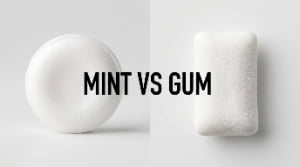
Is Mint Candy Better Than Gum?
It depends on what you need.
Mint candy is better when you want something quiet, simple, and quick.
You do not need to chew. You do not need to throw anything away. It dissolves.
That makes it good for meetings, travel, and social settings.
Gum may be better when you want longer chewing and more saliva flow.
Sugar-free gum is often discussed in oral-health contexts because chewing can stimulate saliva.
But gum is not always polite or practical.
So I do not see mint candy and gum as enemies.
I see them as different tools.
──────────────────────────────────────────────────
My Expert Verdict: Is Mint Candy Good for You?
Here is my honest answer.
Mint candy is good for freshness. It is not a health food.
It can help your breath feel cleaner. It can make your mouth feel cooler. It can give a pleasant after-meal finish.
But it may also bring sugar, sweeteners, and overuse habits.
So I treat mint candy with respect.
A mint is best as a small, occasional refreshment.
Not a dental product.Not a meal replacement.Not a medical treatment.
When you understand that, mint candy becomes easier to enjoy.
No guilt. No exaggeration.Just a clean little moment.
──────────────────────────────────────────────────
More Related Questions
Is mint candy healthy?
Mint candy is not usually “healthy” in a nutrition sense.
It does not provide major nutrients. Its main value is breath freshness and sensory refreshment.
Is it okay to eat mint candy every day?
A small mint may be fine for many people.
But daily use depends on the type and amount.
Daily sugary mints may increase tooth concerns. Daily sugar-free mints may bother the stomach if overused.
Do mints remove bad breath?
Mints usually mask bad breath. They do not always remove the cause.
For lasting bad breath, focus on brushing, flossing, hydration, and dental advice.
Are sugar-free mints safe?
Sugar-free mints are safe for many people in moderate amounts.
But too many may cause digestive discomfort.
If they contain xylitol, keep them away from dogs.
Are peppermint candies good after meals?
They can be pleasant after meals.
They refresh the mouth and create a clean finish.
But I would not treat them as medicine.
──────────────────────────────────────────────────
Conclusion
Mint candy is a useful little refresh, not a health food.
I enjoy it in small amounts. I read the label. I choose the right type for the moment.
That is how we keep mint candy fresh, pleasant, and honest.