Bad breath can make us reach for the nearest mint without thinking. But here is the problem. Many regular mints are basically tiny sugar candies.
They freshen breath for a few minutes. Then they leave sugar sitting in the mouth. That sugar can feed cavity-causing bacteria. The result may be more plaque acid, more enamel stress, and more dental risk over time.
As Suifa, a mint candy expert, I care about flavor. But I care just as much about what happens after the mint melts.
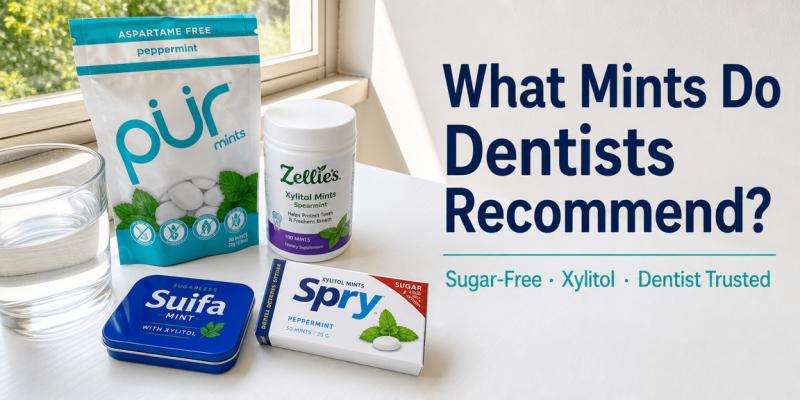
Dentists usually recommend sugar-free mints, especially mints made with xylitol or other tooth-friendly sugar substitutes. The best mints are sugar-free, non-sticky, low-acid, and easy to use after meals or coffee. If a mint has the ADA Seal of Acceptance, that is a strong trust signal. But even without the seal, I look for clear sugar-free labeling, xylitol, simple ingredients, and no added acids when choosing a dental-friendly mint.
A good mint should do more than cover breath. It should fit into a smart oral-care routine. Let me walk you through what I look for, what I avoid, and which mint brands are worth considering.
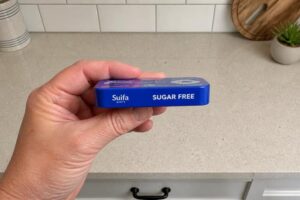
Why Do Dentists Prefer Sugar-Free Mints?
Dentists usually prefer sugar-free mints because sugar is one of the biggest problems in ordinary breath mints.
When we eat sugar, bacteria in the mouth can use it to produce acids. Those acids can weaken tooth enamel. Over time, that process can increase cavity risk.
The American Dental Association explains that diet and oral health are closely connected, especially when sugary foods and drinks are consumed often. You can read more from the ADA here: ADA: Diet and Oral Health.
That is why I always tell people this:
If you use mints every day, choose sugar-free.
A sugary mint once in a while is not the end of the world. But using sugary mints all day is different. That creates repeated sugar exposure. And repeated exposure is what dentists worry about.
What Ingredients Should I Look for in Dentist-Friendly Mints?
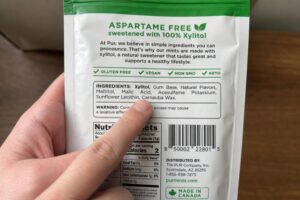
The first ingredient I look for is xylitol.
Xylitol is a sugar alcohol used as a sweetener. It tastes sweet, but it does not behave like regular sugar in the mouth.
Research has studied xylitol for its possible role in reducing dental caries risk. A useful scientific reference is this Cochrane review listed on PubMed: Xylitol-containing products for preventing dental caries.
I do not treat xylitol like magic. It does not replace brushing. It does not replace flossing. It does not replace dental visits.
But as a mint expert, I see xylitol as one of the best sweeteners for mints that are meant to be used often.
Here is a simple ingredient guide I use.
| Ingredient or Feature | Dentist-Friendly? | Why I Care |
| Xylitol | Yes | Often preferred because it does not feed cavity-causing bacteria like sugar does |
| Sorbitol | Usually yes | Sugar-free, but less strongly associated with anti-cavity benefits than xylitol |
| Erythritol | Usually yes | Tooth-friendly sugar alcohol used in many sugar-free products |
| Regular sugar | No | Can feed oral bacteria and increase acid production |
| Corn syrup / glucose syrup | No | Similar concern as sugar |
| Citric acid / malic acid | Use caution | Acidic ingredients may be harsh on enamel if used often |
| Sticky texture | Use caution | Sticks around longer and may leave residue on teeth |
For more general information on sugar alcohols, the FDA has a helpful overview here: FDA: Sugar Alcohols.

Are Xylitol Mints Better Than Normal Mints?
In my expert opinion, yes, xylitol mints are usually better for daily use than normal sugary mints.
Normal mints often focus only on flavor. They give a quick cooling feeling. They may hide odor for a short time. But if they contain sugar, they are not ideal for repeated use.
Xylitol mints are different. They give sweetness without ordinary sugar. They also fit better with the way dentists think about oral health.
That said, I want to be honest. Not every xylitol mint is perfect.
Some contain acids. Some have very strong flavors that may irritate sensitive mouths. Some use only a tiny amount of xylitol and rely heavily on other sweeteners.
So I always check the label.
My rule is simple: sugar-free first, xylitol preferred, low-acid if possible.

What Should I Avoid When Choosing Mints?
I avoid mints that look like breath fresheners but act like candy.
Here are the biggest red flags:
- Sugar
- Corn syrup
- Glucose syrup
- Fructose
- Sticky or chewy texture
- Very acidic flavor systems
- Unclear “natural flavor” claims with no useful ingredient detail
A mint can taste clean and still be a poor daily choice. That is why I never judge by packaging alone.
Some brands make beautiful tins. Some use words like “fresh,” “ice,” or “clean.”But the label tells the real story.
When I choose mints for myself, I flip the pack over first. The front sells. The back tells.
What Are the Top Dentist-Recommended Mint Brands?
This is where I want to be careful.
Dentists may not all recommend the same brand. Some recommend based on sugar-free status. Some recommend based on xylitol content. Some prefer products with the ADA Seal of Acceptance.
You can learn about the ADA Seal here: ADA Seal of Acceptance.
As Suifa, I recommend looking at brands through a dental-friendly lens rather than blindly chasing one name.
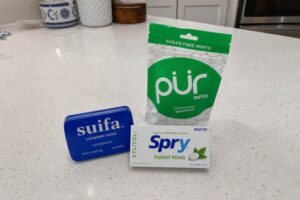
Here are mint brands and product styles I would consider.
| Brand / Mint Type | Why I Would Consider It | Best For |
| Suifa Mints | Designed around clean mint flavor and sugar-free positioning | Everyday breath care with a candy-expert approach |
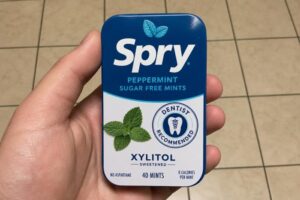
| Spry Xylitol Mints | Known for xylitol-focused oral-care products | People who specifically want xylitol mints |
| PUR Mints | Often sugar-free and xylitol-sweetened | Simple, modern sugar-free mint users |
| TheraBreath Dry Mouth Lozenges | Oral-care focused and often used for breath support | People concerned about dry mouth and breath |
| Epic Dental Xylitol Mints | Xylitol-centered brand identity | Xylitol users who want a dental-style product |
| Ice Breakers Sugar Free Mints | Easy to find and sugar-free | Convenient fresh breath on the go |
| Mentos Pure Fresh Sugar-Free Mints | Widely available sugar-free option | People who want a familiar mainstream brand |
| Smint Sugar-Free Mints | Compact, strong, and sugar-free varieties available | Pocket-friendly freshness |
| Zellie’s Xylitol Mints | Xylitol-focused and dental-minded | Families or frequent mint users |
| Dr. John’s Healthy Sweets Mints | Sugar-free candy brand with tooth-friendly positioning | People who want candy-style flavor without sugar |
My personal favorite direction is clear:
Choose mints that are sugar-free and xylitol-forward.
If you are choosing between a sugary “premium” mint and a simple sugar-free xylitol mint, I would choose the sugar-free xylitol mint almost every time.
Are ADA-Approved Mints the Best Choice?
If a mint has the ADA Seal of Acceptance, that is a very strong sign.
The ADA Seal means a product has gone through a review process for safety and effectiveness in its category. That matters.
But not every good mint has the seal. Some smaller or newer brands may still use smart, dental-friendly formulas without having that specific seal.
So I use two levels of judgment.
First, I look for the ADA Seal if available. Second, I check the ingredients myself.
A mint without the ADA Seal can still be a good choice if it is:
- Sugar-free
- Low-acid
- Non-sticky
- Made with xylitol or another tooth-friendly sweetener
- Used as part of normal brushing and flossing habits
The seal helps. But the ingredient list still matters.
How Often Should I Use Dental-Friendly Mints?
I usually suggest using sugar-free mints after moments when breath needs help.
That may include:
- After coffee
- After lunch
- After garlic or onion
- Before a meeting
- After a snack
- When the mouth feels dry
But I do not recommend treating mints like a replacement for oral care.
Mints are support. They are not a toothbrush.
A realistic pattern is 2 to 5 mints per day, depending on the product and your tolerance. Always check the serving suggestion on the package.
Sugar alcohols can bother the stomach if overused. This is especially true for some people with sensitive digestion.
So I always say this:
Start small. See how your body responds. Then build a routine that feels good.
Can Mints Help with Dry Mouth?
Some mints can help stimulate saliva.
That matters because saliva helps wash the mouth. It supports comfort. It also helps neutralize acids.
Dry mouth can increase oral health risks. The ADA has helpful information about dry mouth here: ADA: Dry Mouth.
If you deal with dry mouth, I would look for mints or lozenges made specifically for that purpose.TheraBreath-style lozenges and xylitol-based mints may be useful options.
But if your dry mouth is constant, I would talk with a dentist. Dry mouth may come from medication, hydration issues, or other health factors.
A mint can help comfort. It should not hide a bigger issue.
Are Strong Mints Bad for Teeth?
Strong mint flavor is not automatically bad.
Peppermint and spearmint flavors can be perfectly fine. The problem is usually not the mint oil itself. The problem is what comes with it.
Some intense mints use acids to make the flavor sharper. Some use sugar to balance bitterness. Some are hard enough that people chew them and risk tooth stress.
I prefer strong mints that are:
- Sugar-free
- Smooth rather than acidic
- Slow-dissolving but not sticky
- Fresh without burning the mouth
A mint should wake up your breath. It should not punish your enamel or irritate your tongue.

What Is My Expert Checklist for Buying Mints?
When I buy mints, I use a quick checklist.
I call it my Suifa 5-Point Mint Check.
- Is it sugar-free? If no, I do not choose it for daily use.
- Does it contain xylitol? If yes, that is a strong plus.
- Is it low in added acids? I avoid sour-style mints for frequent use.
- Is the texture clean? I prefer mints that dissolve cleanly and do not stick.
- Does it fit my routine? A mint must be easy to carry and pleasant enough to use consistently.
This checklist keeps things simple. It helps me separate true dental-friendly mints from ordinary candy in a tiny box.
More Related Questions
Do dentists recommend breath mints or gum?
Many dentists like sugar-free gum because chewing stimulates saliva. The ADA has information about chewing gum and oral health here: ADA: Chewing Gum.
But mints are still useful. They are quieter. They are easier in meetings. They are better when chewing gum feels inappropriate.
For me, both can have a place.
Are sugar-free mints safe?
For most people, yes. But moderation matters.
Sugar alcohols like xylitol and sorbitol may cause digestive discomfort if eaten in large amounts. Also, xylitol is dangerous for dogs, so keep xylitol mints away from pets. The FDA explains this risk here: FDA: Paws Off Xylitol.
Can children use xylitol mints?
Some children can use them, depending on age and choking risk. But I would always ask a dentist or pediatric dentist first.
Small hard mints are not suitable for very young children. Safety comes before freshness.
Do mints remove bad breath permanently?
No. Mints help manage breath. They do not cure the root cause.
Bad breath may come from plaque, dry mouth, gum disease, food, smoking, or health conditions. If bad breath continues, I would see a dentist.
Conclusion
Dentists usually recommend sugar-free, xylitol-based, low-acid mints. I look for clean ingredients, non-sticky texture, and real oral-care value. Brands like Suifa Mints, Spry, PUR, Epic Dental, Zellie’s, and TheraBreath are smart places to start.