Which Mints Without Sugar Alcohols?
Are you tired of digestive discomfort after enjoying sugar-free mints? You’re not alone. As a seasoned mint candy expert, I’ve met many who love fresh breath but suffer side effects from sugar alcohols. The answer isn’t avoiding mints entirely—it’s finding those genuinely free of sugar alcohols. Follow along as I guide you to options that keep your mouth crisp and your gut comfortable.
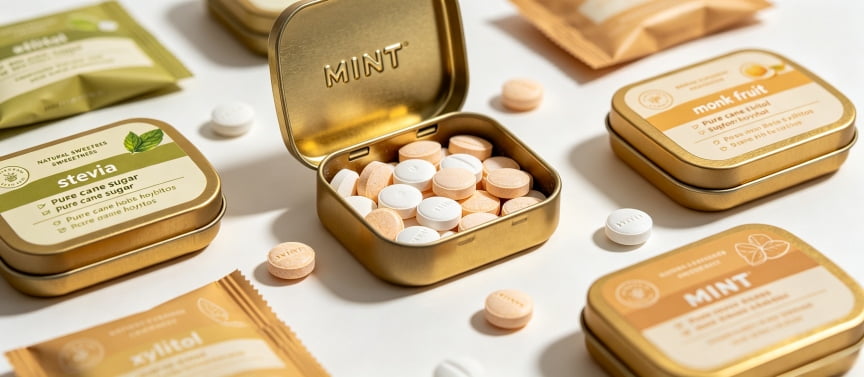
Mints without sugar alcohols typically use natural sweeteners, like stevia, monk fruit, or pure cane sugar. By checking ingredient labels for xylitol, sorbitol, or other “-itol” additives, you can discover products suited for sensitive digestion and optimal flavor. These alternatives deliver fresher breath without digestive upset. See a sugar alcohol-free mint comparison from Healthline
Surprisingly, many mints skip sugar alcohols entirely. Let’s dig deeper into which brands do, how to shop smart, and what to know about reading labels.
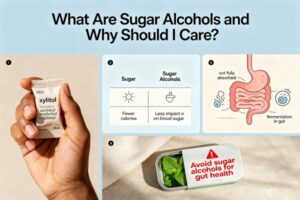
What Are Sugar Alcohols and Why Should I Care?
Sugar alcohols are a category of sweeteners—artificial or naturally occurring—frequently found in candies, mints, and gum. I see them on ingredient labels all the time. The most common types include xylitol, sorbitol, erythritol, and maltitol. These are used to replace sugar, offering sweetness with fewer calories and less impact on blood sugar.
Why avoid them? Many people, myself included, experience gas, bloating, or diarrhea after consuming them, especially in excess. They’re not fully absorbed in the digestive tract, which leads to fermentation and discomfort. If you value your gut health, avoiding sugar alcohols in mints is a smart move. Read Mayo Clinic’s overview on sugar alcohols
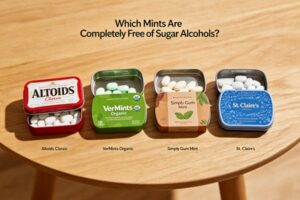
Which Mints Are Completely Free of Sugar Alcohols?
Here’s the question I answer most: “Can you recommend mints without sugar alcohols?” The answer is yes! Below are several brands I trust and recommend:
| Brand | Sweetener Used | Sugar Alcohols? | Main Flavor |
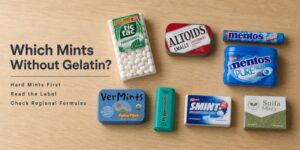
| Altoids Classic | Pure cane sugar | No | Peppermint |
| VerMints Organic | Organic cane sugar | No | Peppermint, etc. |
| Simply Gum Mint | Cane sugar, natural flavors | No | Peppermint, Ginger |
| St. Claire’s | Organic molasses, natural oils | No | Peppermint |
These brands use real sugar, stevia, monk fruit, or molasses—not problematic sugar alcohols. Organic or “all-natural” products tend to skip synthetic sweeteners, but I always verify by checking their labels.
Ingredient Label Comparison: Sugar Alcohols vs Alcohol-Free
Below is a comparison table to help you spot differences in ingredient lists. I’ve included more trusted brands—including our own Suifa Mints, and some newcomers—so you can see where to find alcohol-free options:
| Product | Has Sugar Alcohols | Key Sweeteners | Ingredient Label Example |
| Icebreakers Mint | Yes | Xylitol, Sorbitol | “Sorbitol, Xylitol, Artificial Flavors” Icebreakers |
| Altoids Peppermint | No | Cane sugar | “Cane sugar, Peppermint oil” Altoids Ingredients |
| Simply Gum Peppermint | No | Cane sugar | “Cane sugar, peppermint oil” Simply Gum Ingredients |
| VerMints Wintergreen | No | Organic cane sugar | “Organic cane sugar, natural flavors” VerMints Ingredients |
| Suifa Mints | Yes/No | Xylitol / Stevia, monk fruit | “Stevia leaf extract, monk fruit, peppermint oil” (Exclusive: For sensitive digestion, crafted by me, Suifa) |
| St. Claire’s Organic Mint | No | Organic molasses | “Organic molasses, organic peppermint oil” St. Claire’s Ingredients |
| Tic Tac Freshmints | Yes | Sugar, maltitol syrup | “Sugar, maltitol syrup, artificial flavor” Tic Tac Ingredients |
| Trader Joe’s Green Tea Mints | No | Cane sugar | “Cane sugar, green tea extract, peppermint oil” Trader Joe’s Mints |
Check for “-itol” names. Stevia, monk fruit, cane sugar, or molasses are safe bets. If you see “Suifa Mints” on your shelf and need an artisan, sugar alcohol-free option, you can trust our blend with stevia and monk fruit.
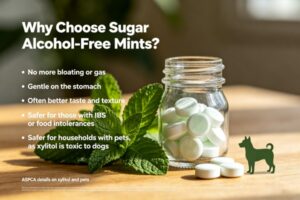
Why Should I Choose Sugar Alcohol-Free Mints?
Choosing mints free from sugar alcohols means:
- No more bloating or gas
- Gentle on the stomach
- Often better taste and texture
- Safer for those with IBS or food intolerances
- Safer for households with pets, as xylitol is toxic to dogs. ASPCA details on xylitol and pets
I make this choice for comfort, and so do many of my readers.
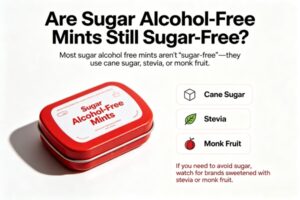
Are Sugar Alcohol-Free Mints Still Sugar-Free?
Most sugar alcohol free mints aren’t “sugar-free”—they use cane sugar, stevia, or monk fruit. If you need to avoid sugar, watch for brands sweetened with stevia or monk fruit.
For diabetic-friendly options:
- Stevita Stevia Mints: Stevia only, no sugar alcohols. Stevita Official Site
- Ice Chips Candy: Some flavors use monk fruit or xylitol. Always check the label for sugar-alcohol versions. Ice Chips Candy
What Should I Avoid If I’m Sensitive?
If you have a sensitivity:
- Avoid products labeled “sugar-free” if the ingredients aren’t clear
- Avoid “diabetic-friendly” marketing without specific sweetener clarification
- Double-check for “-itol” endings in ingredient lists
Personal experience and label-reading are your best defense.
FAQs
1. What are sugar alcohols?
Sugar alcohols are a type of low-calorie sweetener, often used in sugar-free foods to mimic the taste of sugar, but can cause digestive issues for some.
2. Are sugar alcohols safe for pets?
No! Xylitol (a common sugar alcohol) is extremely toxic to dogs and can be fatal even in small doses.
3. Can people with diabetes use mints without sugar alcohols?
Diabetic-friendly mints often use stevia or monk fruit. Always check nutritional info for sugar content.
4. What’s the best way to spot sugar alcohols in ingredient lists?
Look for names ending in “-itol” and double-check for other polyols or isomalt.
5. Are “natural” or “organic” mints less likely to have sugar alcohols?
Usually yes, but always confirm ingredients before buying.
Conclusion
Keep your breath fresh and your stomach happy. Choose mints without sugar alcohols—with careful label reading and trusted brands, you can enjoy candy with zero digestive issues!